The founder’s vision
Every Community Has a Voice. Let’s Give It a Home.
By Thomas Vellaringattu, Founder of Social Pulse

Founder of Social Pulse
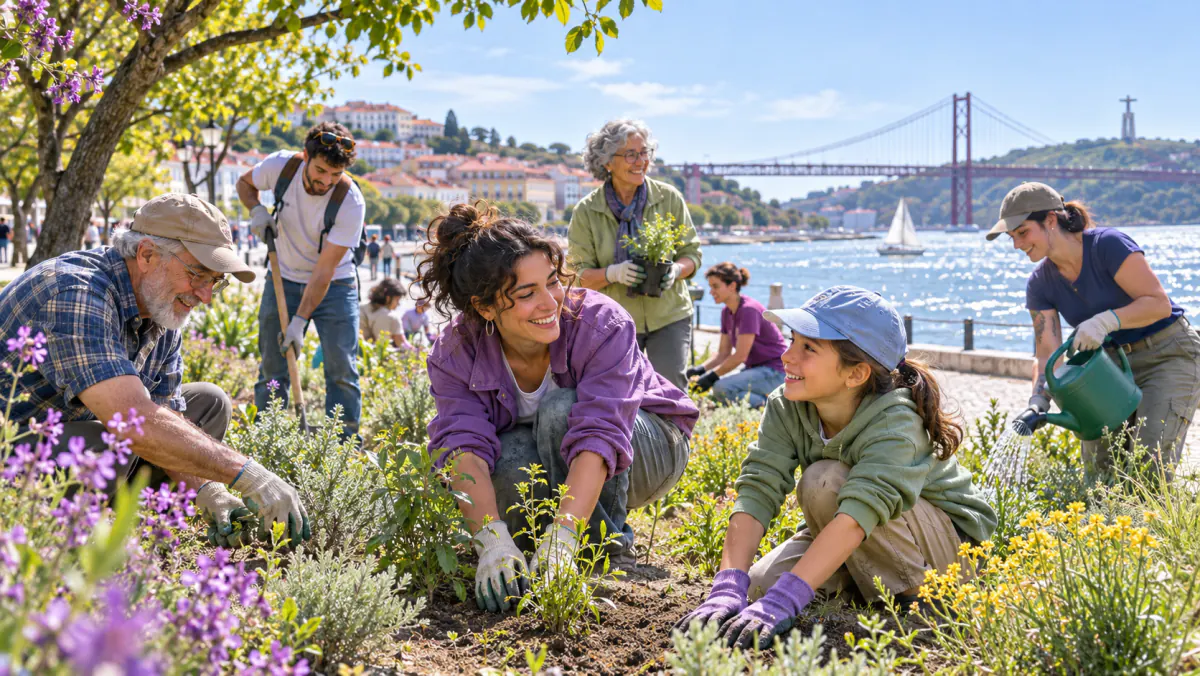
Think of the place you call home. You probably know someone whose story deserves to be told. Perhaps it’s the shopkeeper who quietly helps families through a difficult month, the teacher who started a library, or the neighbor who finally got a dangerous crossing onto the local agenda. Now imagine trying to find those stories five years from now. Would you know where to look? Would the young people who grew up there or the families who moved abroad ever hear them?
That question is at the heart of Social Pulse. I want every community, from a small village to a neighborhood in a major city, to have a place online where people can tell their own stories, find one another, and work together. When a story has something to teach others, it should be easy to discover across regions, languages, and borders.
A home for the places that matter to us
Community life happens on a very local scale. A street floods. A neighbor opens a bakery. Volunteers restore a footpath. A family records the story of how their grandparents came to town. These are the kinds of things people want to know about where they live, and the kinds of stories someone who has moved away still looks for.
My vision is for SocialPulse.com to help people discover a network of locally shaped portals. WorldPulse.pro can help people explore across countries, while USAPulse.net, Indias.com, and Kerala.com can help people find communities within those areas. A participating town, village, district, or neighborhood could have its own locally branded site and, where appropriate, a domain that people there recognize. Local teams would decide what deserves attention. The network would help the stories travel.
A place to take part in local life
A resident should be able to share a story, ask a practical question, post an event, recommend a local business, or raise a civic concern. Community groups could recruit volunteers. Schools and libraries could highlight local projects. Families could contribute memories and preserve local heritage with the permission of the people involved. A person living abroad could follow their hometown and help with a project when the community invites them to.
Imagine that residents post photos of a recurring flooding problem. A local editor checks the details, identifies the relevant public office, and asks it to respond. Neighbors add what they know. When the drain is repaired, the original story carries an update. A nearby town facing the same problem can now find out how residents got it addressed. The value comes from the follow-through.

Let people speak in the language they use at home
People should be able to participate in the language in which they can tell their story best. English and Malayalam are early priorities for parts of the network. Local partners can help decide which other languages their communities need and recruit people who understand local usage, names, and context.
I want readers to be able to find the original alongside a translation and, where available, listen to stories aloud. A recorded memory can preserve a person’s voice for their family. An audio version can also make a local update easier to access for someone who prefers listening. Local review matters when an automated translation could change the meaning of a name, a quote, or a sensitive civic report.
What social capital looks like in everyday life
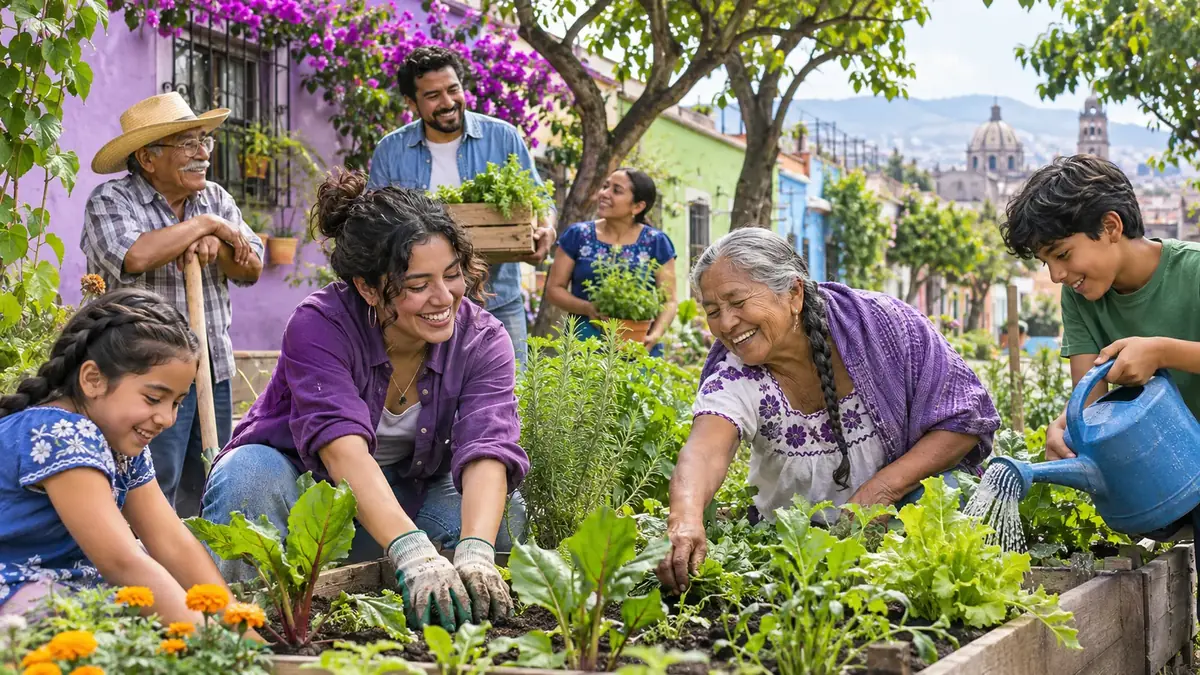
Social capital is the trust and relationships that help people get things done together. You see it when a merchant lends equipment for a cleanup, when a retired carpenter teaches a young person a skill, or when a newly arrived family learns where to turn for help. You also see it when two groups that rarely meet discover they can solve a problem together.
A local portal can make these connections easier to find and sustain. It can help a food business share surplus with a community group, an organizer find volunteers, or a young reporter find a mentor. It can preserve what people learned so the next group can build on it. People will come back when they see that their contributions matter and that others follow through.
Why local partners are essential
I can help build the platform, bring people together, and share what works across the network. The people who live in a place know which stories are missing, which languages people use, and which groups have earned the community’s trust. Social Pulse can grow only if those people help shape it.
I’d like to work with local journalists, entrepreneurs, chambers of commerce, nonprofits, libraries, colleges, civic groups, and diaspora associations. A partner might run a portal, build a directory, organize a training session, or convene contributors around a local issue. A small team could begin with a few useful things it can keep current, such as an events calendar, local profiles, and a place for residents to suggest stories.
In return, the network can provide shared publishing tools, training, design support, and a way for readers to discover work from other communities. Partner roles would come with clear responsibilities for accuracy, corrections, privacy, and moderation. As partners share what they learn, a practical idea from one town can save another months of trial and error.
Give everyone a reason to participate
Residents gain a place to be heard and find useful local information. Journalists and contributors gain a way to reach people and build a body of work. Local organizations can reach volunteers and participants. Businesses can be discovered by people nearby. Families can keep a connection to places that matter to them, wherever they live.
For partners, the opportunity is to build a sustainable local operation. Depending on the market and approved terms, that could include advertising, sponsorships, enhanced business listings, and services such as website design or local marketing. A partner might also help families document their history. Commercial relationships and paid placements should be clearly labeled, with editorial decisions guided by what serves readers. The goal is to create meaningful local work and keep useful community information easy to find.

Start with one story or one place
If you live in a community you care about, tell us one story people should know or one problem neighbors could solve together. If you’re a journalist, organizer, or entrepreneur, tell us which locality you’d like to serve, who you’d bring into the effort, and what you’d build first. If you live far from home, introduce us to someone who knows that place well.
I want Social Pulse to make it easier for a community to hear itself and for the world to hear what that community has to say. We can build that one place at a time, with the people who know and care about those places.